
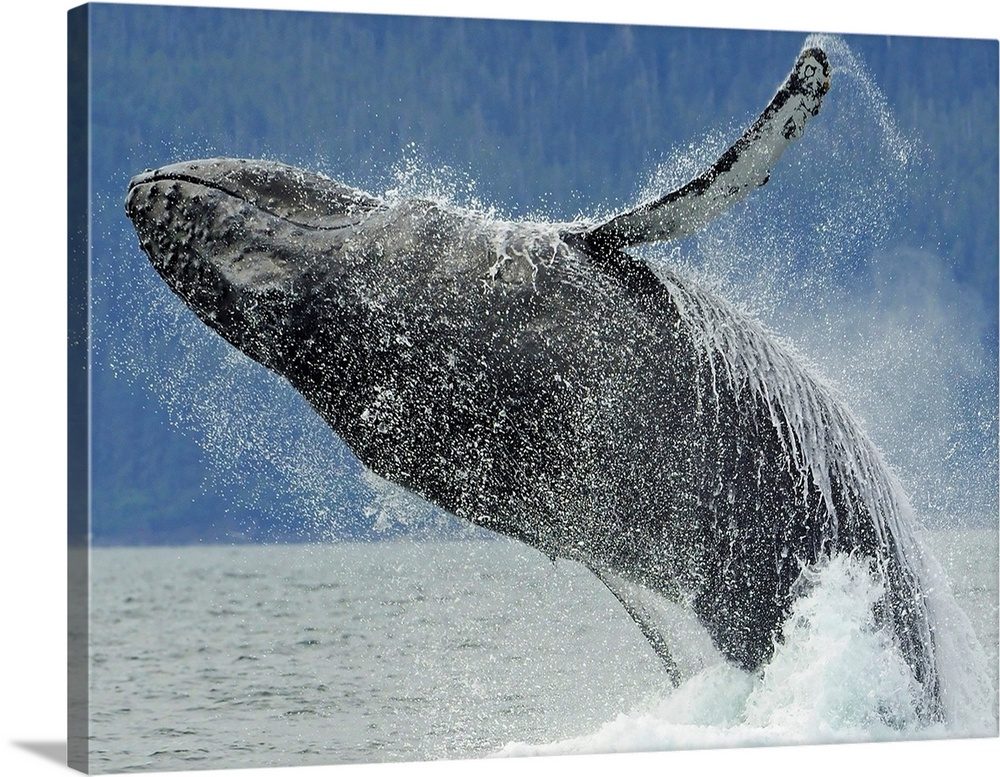
Quick answer
Whales appear in Juneau's waters from roughly mid-April through November, when humpback whales return to feed in nearby channels. Sightings peak in summer, and morning trips launched during the 08:00–12:00 window offer calmer water and clearer light. Winter sightings drop sharply once the feeding season ends and the animals migrate south.
Juneau sits along one of the richest summer feeding routes on the Pacific coast, and the whales that gather here travel thousands of miles to reach it. Humpbacks migrate north from Hawaii and Mexico each spring, drawn to the plankton and forage fish that bloom in the cold, nutrient-heavy water. That migration is the single fact behind the question of when can you see whales in juneau: the animals follow the food, and the food follows the light of the northern summer. Understanding that rhythm changes how a visitor reads the calendar. The waters of Stephens Passage, Favorite Channel, and the mouth of Auke Bay fill with marine mammals once the feeding season opens, and they thin out again as the cold returns. Orcas patrol these channels year-round in smaller numbers, but the dense humpback presence — the breaching, the tail slaps, the cooperative bubble-net feeding that Southeast Alaska is known for — belongs to the warmer months. A whale watching trip in Juneau is really a trip timed to this biological window. The practical takeaway is about probability, not guarantees. No operator can promise a sighting on a given morning, but the odds shift dramatically with the season and the hour. Naturalist guides who work these waters track pod movements daily, and their departure schedules are built around the conditions that favor calm seas and good light. Booking a Juneau whale watching tour during the peak stretch, rather than the shoulder edges, stacks those odds in the visitor's favor. For anyone still weighing when can you see whales in juneau, the answer is less about a single date and more about matching the trip to the feeding cycle and the daily conditions. The harbor at Auke Bay stays open around the clock, its public docks welcome walk-up visitors, and most vessels leave from the same working marina that commercial and charter boats use. That accessibility means the real planning work is choosing the right week and the right morning, then letting a guided boat carry the visitor into the passage where the animals are actually feeding. The sections that follow break down the seasonal windows, the daily timing, and the logistics in detail.
“In Juneau, the whale season is really a feeding season — the animals arrive when the food does.”
Seasonal and Daily Breakdown: When Can You See Whales in Juneau
The optimal whale watching season in Juneau runs from June through August when humpback whales arrive to feed in the nutrient-rich waters. During these months, booking a morning departure between 08:00 and 12:00 provides the calmest water conditions and best daylight for spotting marine wildlife.
June to August
High cruise ship passenger volume50°F to 65°F, frequent rain
Humpback whales reside in the local waters daily for summer feeding, making this the most reliable viewing window. Transient orcas also make occasional appearances during these warmer months.
May and September
Lower visitor numbers40°F to 56°F, wetter conditions
Humpback whales are either arriving or preparing to migrate south, offering opportunities with fewer tour vessels. Transient orcas are occasionally spotted traversing the channels during these shoulder months.
Morning departures
High demand for early slots—
Planning your trip between 08:00 and 12:00 ensures calmer waters and better lighting for spotting activity. These morning slots are ideal for avoiding the choppy afternoon winds.
Verdict: Mid-June to August, Tuesday to Thursday, departing between 08:00 and 12:00.
Auke Bay Harbor Hours: When Can You See Whales in Juneau
Auke Bay Harbor in Juneau remains accessible 24 hours a day, seven days a week, for vessel departures, public pedestrian access, and independent marine arrivals.
| Monday | 00:00 – 23:59 | Access available all day |
|---|---|---|
| Tuesday | 00:00 – 23:59 | Access available all day |
| Wednesday | 00:00 – 23:59 | Access available all day |
| Thursday | 00:00 – 23:59 | Access available all day |
| Friday | 00:00 – 23:59 | Access available all day |
| Saturday | 00:00 – 23:59 | Access available all day |
| Sunday | 00:00 – 23:59 | Access available all day |
While the municipal harbor facilities remain open to the public year-round, commercial charter operators typically adjust their daily schedules seasonally, running tours primarily from May through September when migratory humpback whales reside in the local waters.
Harbor Admission Fees for Juneau Whale Watching
Accessing the public docks and harbor areas at Auke Bay is completely free of charge. Visitors only pay if they park a vehicle, launch a boat, or purchase a ticket for a privately operated whale watching tour.
A typical visitor pays 0 USD for harbor admission, and booking a private whale watching excursion is the main factor that changes their actual expenditure.
Getting to Auke Bay Harbor: When Can You See Whales in Juneau
Auke Bay Harbor is situated approximately 12 miles northwest of downtown Juneau, acting as the main departure point for regional marine excursions. The most straightforward approach is traveling northwest along the Egan Drive corridor, though many cruise passengers utilize pre-arranged shuttle transfers from the cruise docks.
AK-7 North (Egan Drive) to Auke Bay Harbor Rd
Capital Transit Route 3 or Route 4 to DeHarts and Auke Bay stop
Local taxi service from Downtown Cruise Ship Docks to Auke Bay Harbor
Expert Tips for Spotting Whales in Juneau
Mastering a few simple observation techniques can significantly increase your chances of spotting humpbacks and orcas in the waters around Juneau.
Watch for Blowhole Spouts
Scan the horizon for misty plumes rising up to twenty feet. Humpbacks emit a column-shaped blow that lingers in the air for several seconds.
Scan Horizon in Grids
Divide the water into horizontal sections and scan from left to right. This systematic method helps your eyes detect movement and ripples in your peripheral vision.
Listen for the Blow
Sound travels efficiently over water, so listen for a loud, whooshing hiss. You will often hear a whale exhale before seeing the spout.
Observe Bird Feeding Patterns
Look for dense groups of gulls and terns diving near the surface. These birds feed on baitfish pushed upward by humpbacks, signaling an imminent surfacing.
Choose Stable Catamarans
Select tours using dual-hull catamaran vessels. These provide a wider, more stable platform that minimizes rolling, allowing for steadier camera shots.
Track the Footprints
Watch for flat, glassy circles on the surface known as fluke prints. These are created by water displacement from a whale's tail moving just below.
Whale Watching Mistakes to Avoid: When Can You See Whales in Juneau
A few booking missteps trip up first-time visitors to Auke Bay. Knowing them ahead of time keeps your trip on track.
Booking a tour with a tight cruise departure window
Leave a buffer of several hours between your tour return and any cruise or flight departure. Boats can run late in changing sea conditions, and missing your ship is costly.
Assuming orca sightings are guaranteed
Operators cannot promise specific species. Humpbacks are common in local waters, but orcas move unpredictably, so treat any sighting as a bonus rather than a certainty.
Underestimating cold maritime winds on open water
Wind chill on a moving boat runs well below the on-shore temperature. Plan for conditions colder and wetter than the forecast suggests.
Skipping booking and expecting walk-on space
Reserve through the site's booking pages ahead of time. Popular sailings fill early, and showing up at the harbor without a spot often means no seat.
Not confirming the meeting point and check-in time
Verify departure details when you book, and call the harbor at +19077890819 if anything is unclear before you travel.
Arriving with no margin before departure
Plan to reach 11497 Auke Bay Harbor Rd well before your scheduled sailing so check-in and parking do not cut it close.
Nearby Sights to Visit After Spotting Whales in Juneau
To make the most of your time in the Auke Bay area, consider pairing your whale watching excursion with a few local landmarks just minutes from the harbor. These sites offer a mix of glacier views, lakeside trails, and quiet coastal spots that easily complete a half-day itinerary.
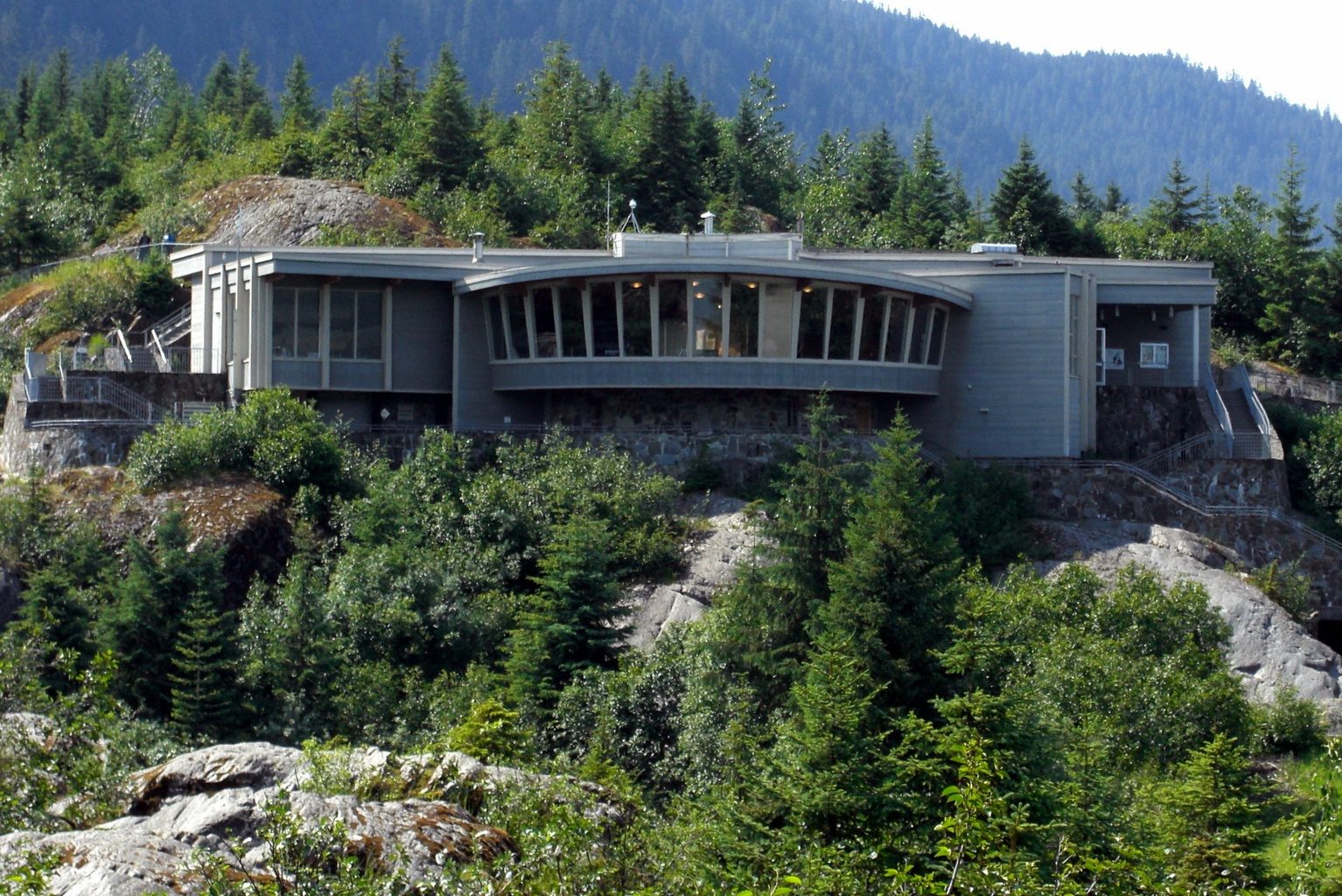
Mendenhall Glacier Visitor Center
Located just over five miles from the harbor, this site offers trails to Nugget Falls and views of the glacier. Combining these two locations provides a comprehensive look at Juneau's iconic marine and glacial environments in a single morning.
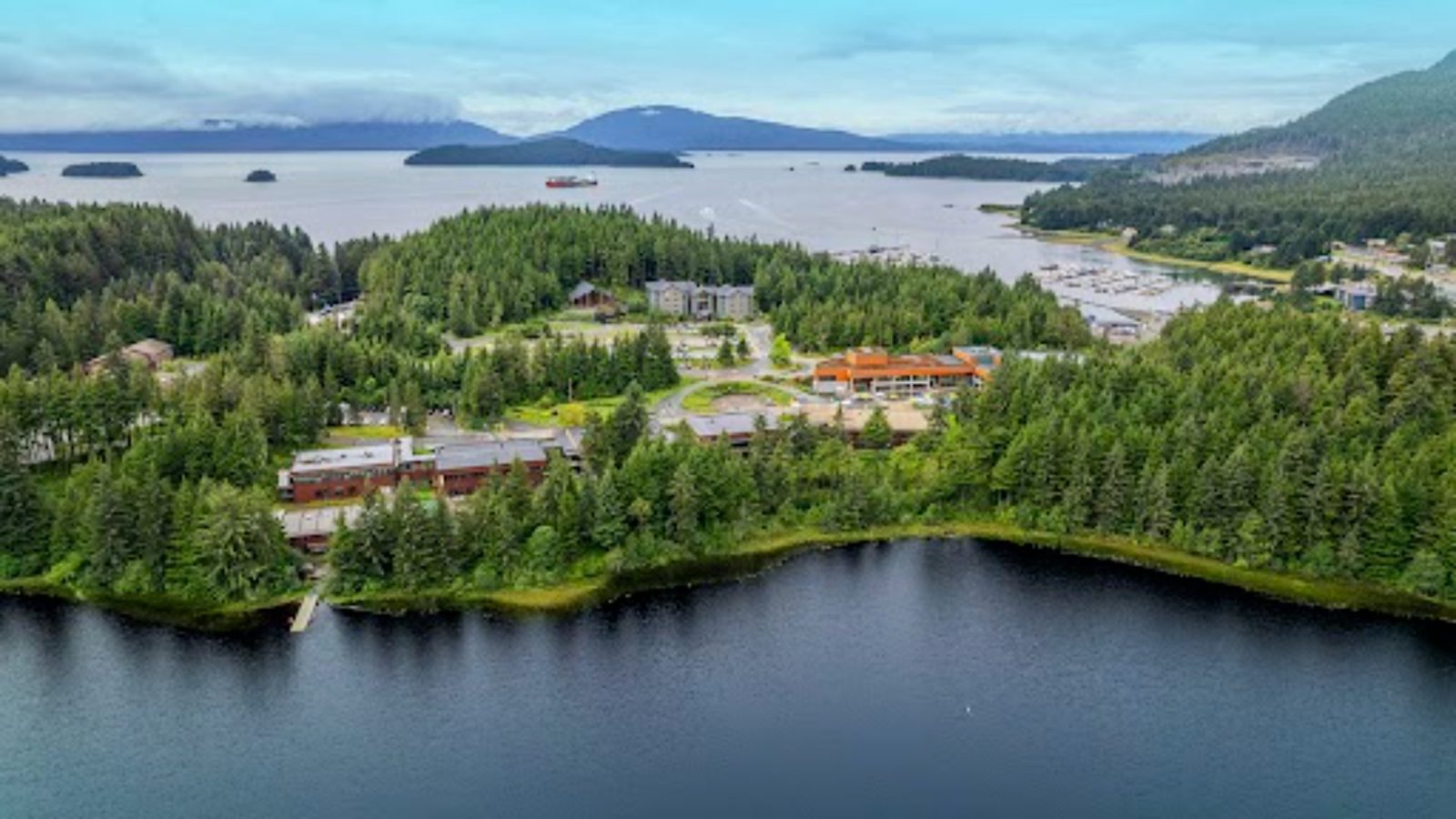
University of Alaska Southeast Campus
Situated right on the shores of Auke Lake, this campus features public walking paths and elevated viewpoints. Visitors can look across the lake to spot the distant glacier, making it a quick, peaceful stop before or after a boat tour.
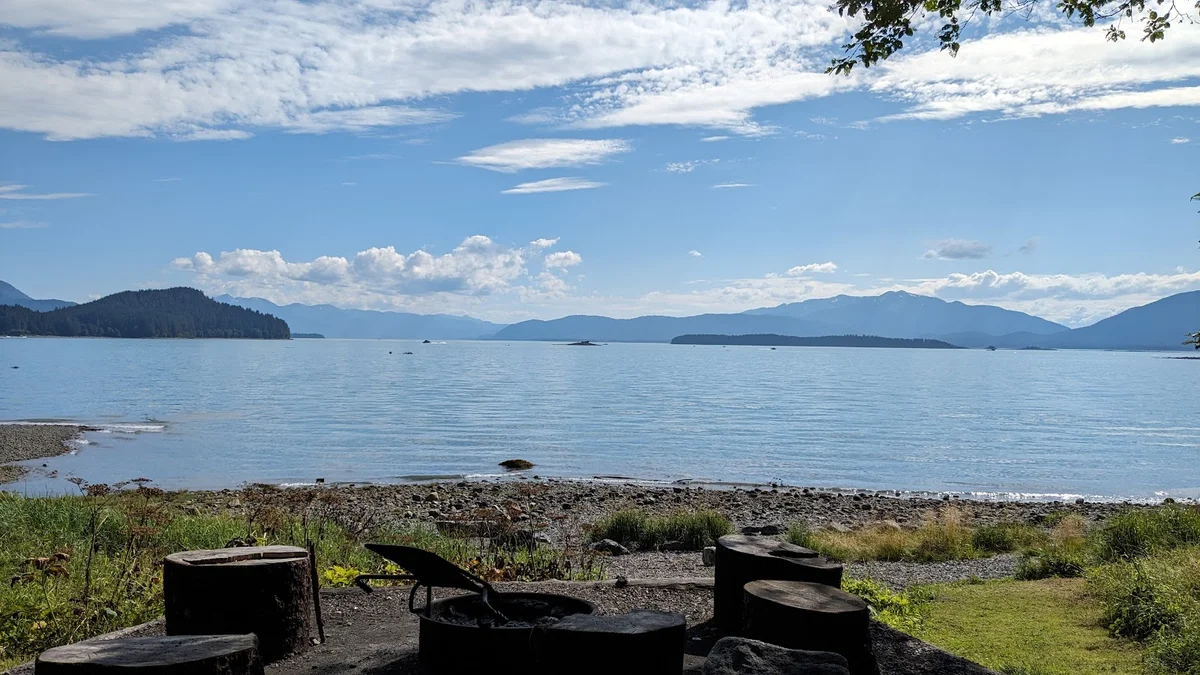
Auke Village Recreation Area
This beachside park lies just west of the harbor and features forested trails and stone picnic shelters. It serves as a calm location for spotting bald eagles and harbor seals from the rocky shoreline.
Essential Packing Checklist for Juneau Whale Sightings
Pack for a cold, wet, moving deck so you stay comfortable while watching for whales off Auke Bay.
-
Confirm your booking details — Reserve your spot in advance and note the vessel and check-in point.
-
Pack a waterproof jacket and pants — Spray and wind on open water soak through ordinary coats quickly.
-
Layer warm mid-layers underneath — Fleece or wool traps heat when temperatures drop on the water.
-
Bring waterproof gloves and a hat — Exposed hands and heads lose warmth fast in wind and spray.
-
Wear non-slip closed-toe shoes — Wet decks get slick, and open footwear leaves you cold.
-
Pack binoculars, 8x or 10x — Handheld magnification helps you follow whales at a distance.
-
Attach a camera or phone strap — A neck or wrist strap prevents drops over the rail.
-
Carry a dry bag for electronics — Sealed storage keeps phones and cameras safe from spray.
Check availability
FAQ about the best times to spot whales in Juneau
Everything you need to know about when can you see whales in juneau